From Zero to Strong: Building Credit Score 2.0
Technology is playing a bigger role in shaping credit scores, and you can get a grasp of these new methods today.
What’s Different About Credit Score 2.0?
The credit score remains one of the most vital financial concepts in America, serving as your key to unlocking and broadening financial opportunities.
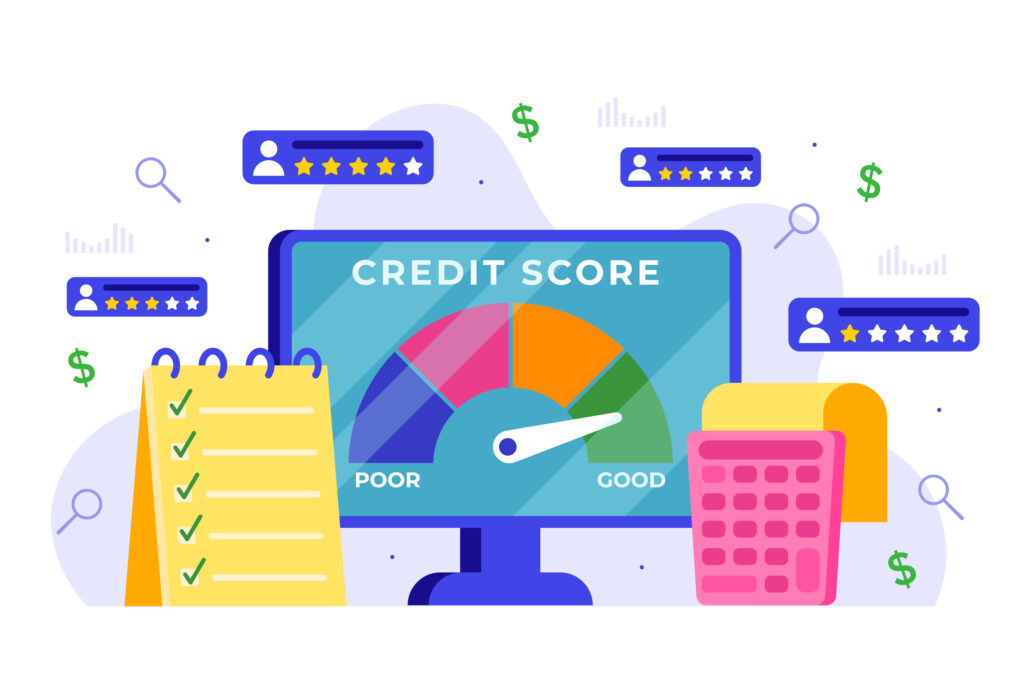
The idea behind Credit Score 2.0 introduces a fresh perspective: it’s not merely about having credit but about using it wisely and strategically, tailored to today’s challenges like rising interest rates, inflation, and evolving financial technologies.
Why Is Credit So Crucial in the United States?
In the U.S., unlike many other countries, credit goes beyond spending power; it acts as a measure of your financial trustworthiness.
The score is determined by various elements: your payment history, how much credit you use, the length of your credit record, the diversity of credit types, and recent credit inquiries.
A low credit score can lead to higher loan costs, tougher approval processes, and even obstacles in everyday financial situations.
Conversely, a high credit score grants you advantages like lower interest rates, increased credit limits, and access to special perks.
Starting from scratch can seem daunting, but with focus and a solid plan, you can speed up building your credit and achieve Credit Score 2.0.
Step 1: Start with the Right Tools
The main obstacle for those with no credit history is simply getting approved for credit products.
Secured credit cards require an initial deposit as collateral, which sets your credit limit and shows responsible financial behavior.
Another helpful option is credit-builder loans — small loans from certain lenders created specifically to help you establish credit history.
The concept is straightforward: you make monthly payments held in a secure account, and when the term ends, you receive your funds back plus improved credit standing.
Step 2: Grasp the Impact of Credit Utilization
A key factor in your credit score is how your available credit limit compares to the amount you actually use—this is known as the credit utilization ratio.
Specialists suggest keeping this ratio below 30%, though aiming for 10% to 20% can yield even stronger results.
Step 3: The Importance of Payment History
Making payments on time is crucial; even one late payment can stay on your credit report for years and harm your score.
Automating payments is a smart approach. Setting up autopay reduces the chance of missing payment deadlines.
Step 4: Expand the Variety in Your Credit Portfolio
Another key to improving your score is showing you can manage different types of credit. Relying solely on credit cards might not be sufficient.
Examples like student loans, personal loans, and vehicle leases help build a more diversified credit history.
That said, this doesn’t mean you should take on debt unnecessarily. The aim is to balance and diversify responsibly, always considering your personal financial situation and ability to repay.
Step 5: Use Caution with Credit Inquiries and Opening New Accounts
Whenever you apply for credit, the lender carries out a hard inquiry, which can cause a brief dip in your credit score.
For this reason, it’s advisable to avoid opening multiple accounts within a short timeframe, even if the bonus rewards or travel points seem tempting.
Credit Score 2.0 focuses on strategic planning. It’s wiser to carefully choose one or two credit products that offer real advantages instead of accumulating many cards that might dilute your credit profile.
The Future of Credit: Technology and AI
The U.S. financial sector is rapidly evolving. Today’s apps deliver customized insights, alert users to risks, and even forecast how certain behaviors could affect your credit score in the near future.
These tools become essential partners for anyone aiming to establish a reliable credit history.
Common Pitfalls to Avoid
- Only paying minimum amounts without a plan to pay off debt.
- Closing older credit cards, which lowers your average credit age.
- Neglecting your credit report and missing mistakes or fraud.
- Using credit as extra income instead of a financial tool.
Your Road to Financial Resilience
Establishing a strong credit score in the U.S. isn’t a quick fix. It demands ongoing effort, patience, and above all, steady discipline.
The concept behind Credit Score 2.0 goes beyond simply “having credit.” It focuses on strategically using credit, harnessing technology, and maintaining an edge through careful planning.