Why Tech Giants Are Betting on Embedded Insurance
The embedded insurance market is catching the eye of some of the world’s largest tech companies — so the question remains, why is that?
Understanding the Embedded Insurance Business in America
Big Tech companies have been establishing themselves as providers of financial and protection services. Among their strategies, investing in embedded insurance stands out prominently.
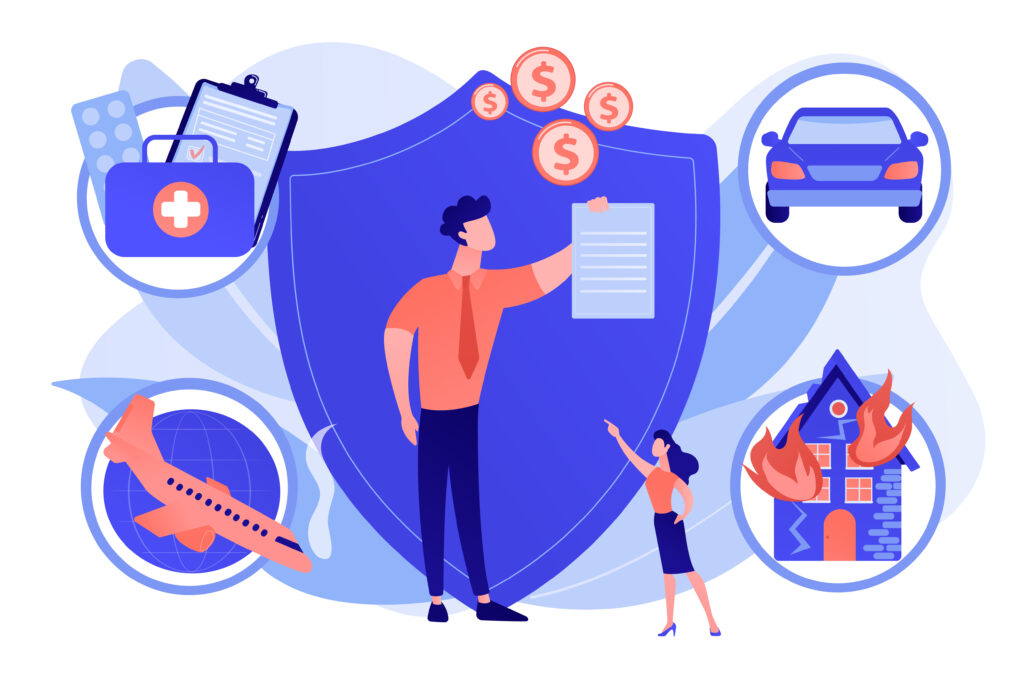
This development is not a minor detail; it marks a fundamental reshaping of the U.S. insurance sector, with the capacity to transform value chains, boost profit margins, and change how consumers view risk.
What is embedded insurance?
In practical terms, embedded insurance means protection coverage built directly into a product or service.
Rather than the customer having to find an insurer on their own, the insurance coverage is presented right at the point of purchase.
Picture buying a new iPhone and, during checkout, Apple offers protection against theft and screen damage—priced upfront and ready to activate.
This seamless integration streamlines the experience, removes contract hurdles, and most importantly, boosts adoption rates—vital for companies handling huge customer bases.
Why have Big Tech companies joined this sector?
The U.S. insurance industry generates over $1.5 trillion annually, yet it remains a field known for red tape and unsatisfactory customer service.
This is where tech giants leverage their data capabilities, user-friendly designs, and extensive distribution networks.
Several reasons explain this movement:
- Data as a key asset
Big Tech firms already possess detailed data on buying habits, consumption patterns, and device usage.
This rich dataset enables more accurate risk assessments than conventional methods. - Scale and convenience
Millions of Americans engage daily with Amazon, Apple Pay, Google Wallet, or similar digital platforms.
Embedding insurance options in these flows grants access to vast users without traditional marketing efforts. - Loyalty
Embedded insurance adds another layer that keeps users tied to the Big Tech ecosystem.
For example, buyers of Apple’s device protection often remain customers for years, creating lasting reliance. - Diversified income
With digital ads facing regulation and subscription markets crowded, insurance offers a fresh recurring revenue stream.
Importantly, it’s less vulnerable to advertising market swings.
Real-world examples already underway
- AppleCare+: More than just an extended warranty, it exemplifies embedded insurance within iPhone, iPad, and MacBook purchases, generating billions for Apple.
- Amazon Protect: Partnering with insurers, this service offers coverage for electronics, furniture, and appliances bought on Amazon, with quick contract completion.
- Google and travel insurance: Through its search and booking integrations, Google has experimented with adding travel and cancellation coverage, appealing to users who value ease.
These efforts indicate a future where customers might barely distinguish between products, services, and insurance coverage.
Economic effects on the U.S. insurance market
- Competitive pressure on traditional insurers
Established companies must rethink distribution strategies as digital leaders simplify buying and gain market share. - Reduction of information asymmetries
Extensive data use allows for more tailored actuarial models, lowering pricing distortions but raising privacy and ethical concerns. - Increase in insurance inclusion
Many Americans avoid insurance due to complexity or irrelevance; embedding it in daily purchases could boost coverage rates. - Shift in revenue flows
Embedded insurance opens new revenue streams for Big Tech while squeezing intermediary margins; insurtechs may partner or face tougher rivalry.
Key challenges and considerations
Undoubtedly, regulation remains the main obstacle, as insurance in the U.S. is governed by individual states, meaning global companies must undergo substantial adjustments to comply.
Respecting data privacy is essential, and relying on personal data to determine coverage crosses a sensitive line.
Although convenient, many Americans continue to place greater trust in traditional insurers over tech firms for financial protection.
There is also a risk that consumers become reliant on closed ecosystems, where buying insurance via certain platforms could reduce competition and make switching providers harder.