Recent Inflation Trends: Implications for Credit Card Rewards
Explore how U.S. inflation in 2025 affects credit card rewards and learn smart ways to maximize your cashback, points, and miles.
Post-Inflation Report: Are Rewards Still Worth It?
The U.S. is facing a tough inflation environment: although rates have eased from their recent peaks, rising prices continue to challenge consumers’ purchasing power.
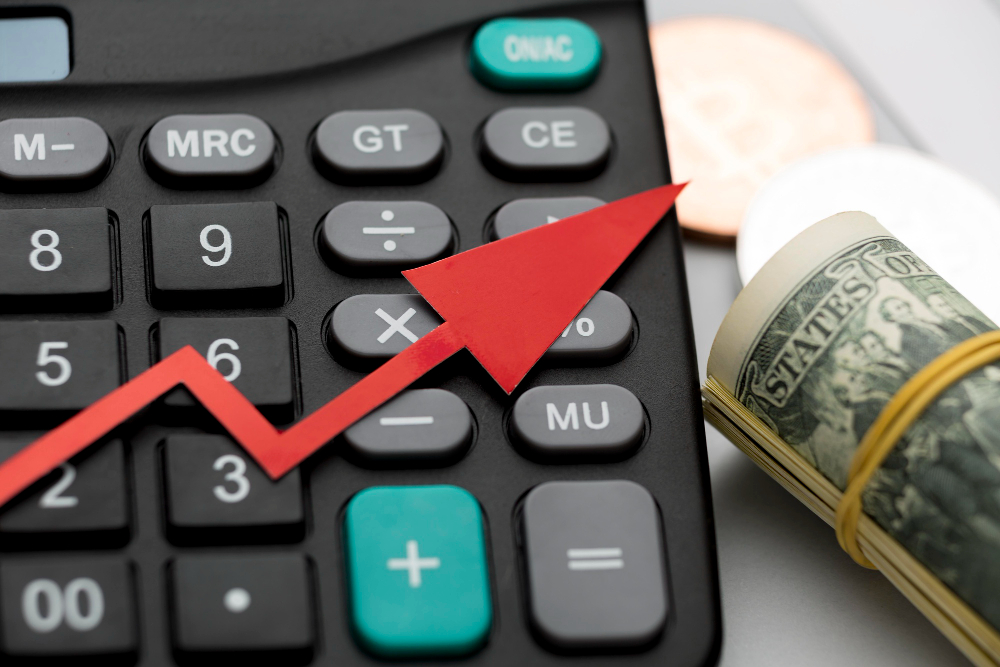
In this context, understanding how current inflation affects credit card rewards is essential for anyone looking to maximize the value of their spending.
Current Inflation Trends Across the U.S.
After reaching highs in 2022-2023, inflation in the U.S. is now starting to ease.
Although the Consumer Price Index (CPI) still shows increases in certain months, these are no longer close to the extreme peaks seen earlier.
This slowdown offers some relief, but it doesn’t erase the ongoing effects of earlier price surges: many products and services remain costlier than before inflation rose.
The Impact of Inflation on Credit Card Rewards
1. Spending Limits That Don’t Adjust
An often overlooked but important factor is that many credit cards set spending caps for earning bonus rewards.
These caps — like spending up to $X to earn 5% cashback — often stay the same year after year.
Because of inflation, these limits lose their “real” worth. You reach the maximum faster in purchasing terms, and additional rewards don’t increase accordingly.
Bankrate highlights this issue: spending caps remain fixed while purchasing power steadily declines over time.
2. Points and Miles Losing Value
Many issuers of points- or miles-based rewards have moved from fixed redemption values to dynamic pricing that reflects current market trends.
Put simply, when airline ticket prices rise, the miles required to book the same flight increase as well. This means points lose their effective worth.
Additionally, points and miles don’t generate financial returns like stocks, bonds, or inflation-adjusted investments, causing their purchasing power to decline over time.
3. Reduced Flexibility in Additional Benefits
During inflationary periods, consumers tend to favor rewards that offer liquidity and adaptability—such as cashback or instant discounts—rather than premium perks like VIP lounge access or exclusive experiences.
As spending tightens, priorities shift. Card issuers notice this pattern: during inflation, users prefer cashback and flexible options over luxury or complicated reward structures.
How Inflation Impacts Credit Card Users in Real Life
Everyday Spending and Important Categories
If your credit card offers extra rewards on categories like groceries, fuel, pharmacies, or food delivery, these perks can be particularly valuable during inflation by helping offset everyday costs.
However, these perks frequently come with restrictions or earning limits (such as “5% back up to $X per quarter”). Such caps can reduce the value for consumers as prices climb.
Credit Costs and Interest Charges
Even if you earn the maximum rewards, carrying a balance on your credit card can erase those gains.
Credit card interest rates tend to be high, and with inflation and benchmark rates climbing, the cost of revolving credit also rises.
Therefore, it’s best to pay your full balance promptly. This allows rewards to remain beneficial despite any costs involved.
Rethinking Your Credit Card and Rewards Strategy
- Opting for a straightforward cashback card with no hidden category limits
- Switching to programs that provide stronger incentives for essential spending
- Selecting cards with a more stable redemption program (less reliant on fluctuating prices)
- Cash in rewards sooner instead of letting them accumulate
Key Insights into U.S. Market Trends for 2025
- In 2025, over half (53%) of cardholders had revolving debt, indicating that many miss out on rewards due to interest charges.
- Another report found that cards with annual fees often lead to greater satisfaction among financially stable users.
- There is growing evidence that rewards are becoming less generous over time, with many stating that they are losing their appeal.
Tactics to Boost Rewards During Inflationary Periods
- Focus spending on high-reward categories
- Be aware of spending caps
- Keep liquidity high and avoid debt
- Redeem your rewards frequently
- Mix up your rewards types
- Stay updated on rewards program changes
- Use cards wisely for big purchases