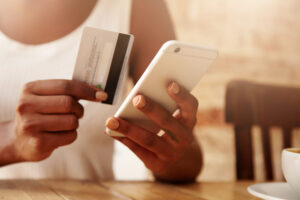
Touch, Pay, Carry On: Understanding the Psychology Behind Contactless Payments
If you regularly use the tap-to-pay feature on your credit card, it might be beneficial to take a closer look at how this financial tool actually works…
Why do we tap-to-pay? Exploring the reasons behind it
Since the Covid pandemic, NFC-enabled cards and smartphone digital wallets have surged in popularity, turning the simple tap of a card into a daily habit.
Though it seems small, this action greatly impacts how we spend, make decisions, and view the value of money.
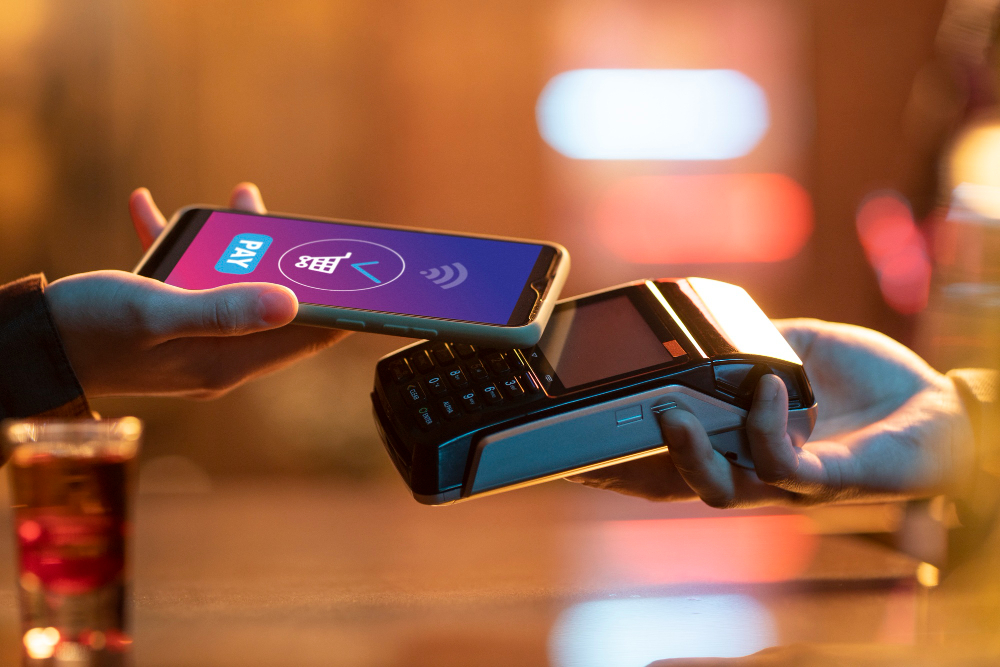
Behavioral science helps explain this by examining how our mental and social factors shape the financial choices we make.
Understanding the Psychology of “Invisible Money”
One important concept in behavioral economics is the “pain of paying”, which refers to the psychological discomfort we feel when we spend money.
Using cash, for example, creates a more vivid experience: handing over a $50 bill and receiving change makes the loss feel tangible and significant.
Credit card payments have already reduced this pain by introducing a delay between making the purchase and the money leaving your account.
Tap-to-pay takes this a step further: there’s no need to insert a card or type in a PIN code.
The payment occurs immediately and almost goes unnoticed, reducing how aware we are of spending.
The quickness and simplicity of the payment make spending feel lighter, less tied to any emotional impact.
Money shifts from being a tangible object to just a sound, a small light, or a notification popping up on your device.
Convenience as a Behavioral Influence
Convenience plays a major role in U.S. culture, seen everywhere from fast food outlets to Amazon and a host of other companies.
Still, this convenience carries a complicated psychological side: as the distance between desire and fulfillment shrinks, impulsive purchases tend to rise.
The “Tap, Pay, Repeat” Cycle
This repetitive pattern fosters an almost automatic behavior: a shopper walks in, selects their items, taps their card or phone, and leaves.
There is no time to reflect, no hesitation, and little conscious recognition of the money spent.
This impulsiveness is reinforced by instant benefits: fast checkouts, low effort, and often rewards programs tied to apps like Apple Pay, Google Pay, or individual retailers.
As a result, spending becomes associated with positive feelings almost below the level of awareness.
In behavioral psychology, this is called “operant conditioning”: behaviors that bring quick rewards tend to be repeated more frequently.
Financial and Social Consequences
Contactless payments offer clear advantages—like speed, hygiene, and ease—but they also bring financial risks.
Studies from U.S. banks indicate that people who depend heavily on digital payments often carry higher credit card balances.
This also changes how we judge value; when purchases are as easy as a tap, spending $5 or $50 can feel almost identical.
From a social perspective, the rise of tap-to-pay can widen inequalities. Not all Americans have access to NFC-enabled cards or smartphones that support this technology.
In response, states like New Jersey and Massachusetts have passed laws requiring businesses to accept cash, ensuring that consumers aren’t excluded.
Looking Ahead: The Future of Contactless Payments
As technology evolves, the traditional “tap” might become outdated. Biometric payment methods, such as palm recognition, are already being tested by Amazon in some Whole Foods stores.
This could lead to an even smoother checkout process: just walk into a store, pick up what you want, and leave, while payments happen automatically in the background.
Since tap-to-pay has already reduced the “pain of paying,” eliminating the need for any gesture might almost erase that discomfort entirely.
This points to a trend of even more automatic spending, where awareness of costs and budgeting could become increasingly distant.
Should We Keep Using Tap-to-Pay?
Using a card or smartphone tap to pay might seem like a small part of modern life.
However, this simple gesture marks a profound psychological and cultural change.
In the U.S., tap-to-pay goes beyond being a technological innovation: it embodies a relentless drive for convenience and speed, but also introduces new financial and social challenges.
Behavioral science shows that every beep from the payment terminal carries weight — it shapes our habits, reinforces spending patterns, and alters how we perceive the value of money.