Spending Without Thinking? The Psychology of Tap-to-Pay
Tap-to-pay has quickly integrated into the nation’s financial habits. That’s definitely positive, but it’s important to know how your brain works in this context.
Exploring the Psychology Behind Tap-to-Pay Technology
Traveling today means diving into a world that’s more digital and convenient than ever, with services like ride-hailing apps, online bookings, and contactless hotel check-ins.
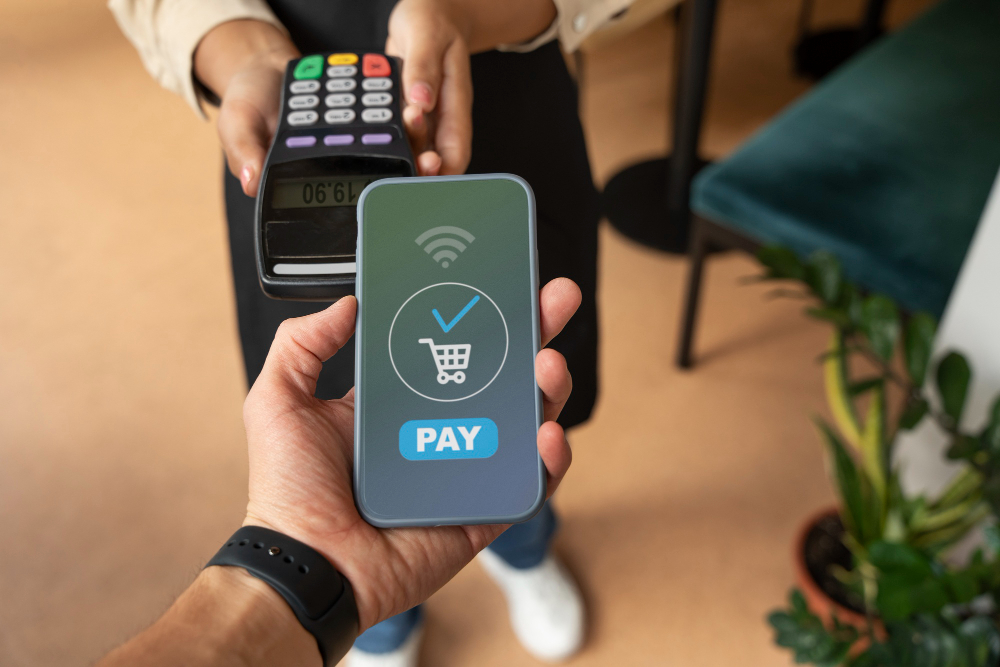
One feature changing the traveler’s consumer experience is tap-to-pay, also known as contactless payment methods.
The growing popularity of tap-to-pay in the U.S.
Recently, the United States has rapidly increased the use of contactless payment options, with over half of face-to-face purchases in major urban areas now completed this way.
For travelers, this is a major benefit. Instead of handling dollar coins, counting worn bills, or hunting for an ATM, you simply tap your card or phone.
It also enhances security by lowering the need to carry large sums of cash, while also cutting down wait times in queues.
The psychology behind “invisible money”
Research in consumer behavior consistently shows that the less tangible money feels, the more easily we spend it.
When using cash, bills and coins provide a physical and visual sense of money leaving us. With a card, that barrier is lessened. And with tap-to-pay, the sensation of spending nearly vanishes.
Psychologists refer to this as the “pain of paying.” It’s a natural unease we experience when handing over cash, serving as a mental check on spending. With contactless payments, this check is nearly absent.
Research from the University of Chicago found that diners using tap-to-pay at restaurants tended to spend up to 20% more compared to those paying with cash. This happens because the payment feels quick and almost unnoticed, lessening the sensation of loss.
Travelers and the “magic card” effect
Imagine you’re in Orlando, strolling through a theme park. Feeling the heat, you grab a cold drink.
Then a souvenir, a snack, and another ticket for a special ride. All purchased with just a simple tap of your card.
The “magic card” tricks us into feeling like we’re not truly spending money. This effect is even more powerful when we’re traveling and in vacation mode.
How exchange rates and currency conversion affect spending
Another key psychological aspect is the exchange rate. When abroad, many travelers don’t translate their expenses into their home currency—especially with pounds or euros, which tend to be costlier than the dollar.
Tap-to-pay hides this step: you simply tap and move on. The issue arises when the bill arrives and the exchange rate makes the cost sting more than expected.
This is known as “monetary disconnection”: failing to link foreign currency spending with its true effect on our finances.
Convenience from technology adds to this disconnect, making it tougher to keep spending in check while traveling.
Advantages That Shouldn’t Be Overlooked
Even with the psychological pitfalls, tap-to-pay offers numerous advantages for travelers.
It’s convenient and provides enhanced protection against fraud. If your card is lost, it can be blocked quickly and effectively, unlike cash.
Additionally, tap-to-pay integrates smoothly with travel apps like Google Wallet and Apple Pay, letting travelers consolidate expenses and track them instantly.
Several banks now offer real-time alerts for every purchase, helping users maintain better control over their spending.
When traveling with groups or family, tap-to-pay offers a convenient way to manage shared expenses. Everyone can have their own card linked to the same account, allowing independent payments without the hassle of carrying cash.
Tips to prevent unplanned spending
- Set a daily budget – before leaving the hotel, decide how much you plan to spend that day and stick to it.
- Enable bank app alerts – receiving a notification for each transaction builds spending awareness.
- Convert values mentally – whenever possible, calculate an approximate value in your home currency. This reduces the feeling of “magic money.”
- Use different cards – separate one card for food, another for shopping, and another for transportation. This division makes it easier to track where the money goes.
- Review expenses every night – take a few minutes before bed to check your statement. This simple habit can prevent unpleasant surprises.