Insuring Intelligence: The Rise of Smart Home Protection
If you're passionate about travel and technology, it's important to consider not just your personal safety but also how to safeguard your home.
Stay Smart When It Comes to Securing Your Home!
Simply locking your doors and carrying your keys isn’t sufficient anymore to ensure your home’s safety.
In today’s connected world, devices like cameras, sensors, and virtual assistants have become everyday essentials.
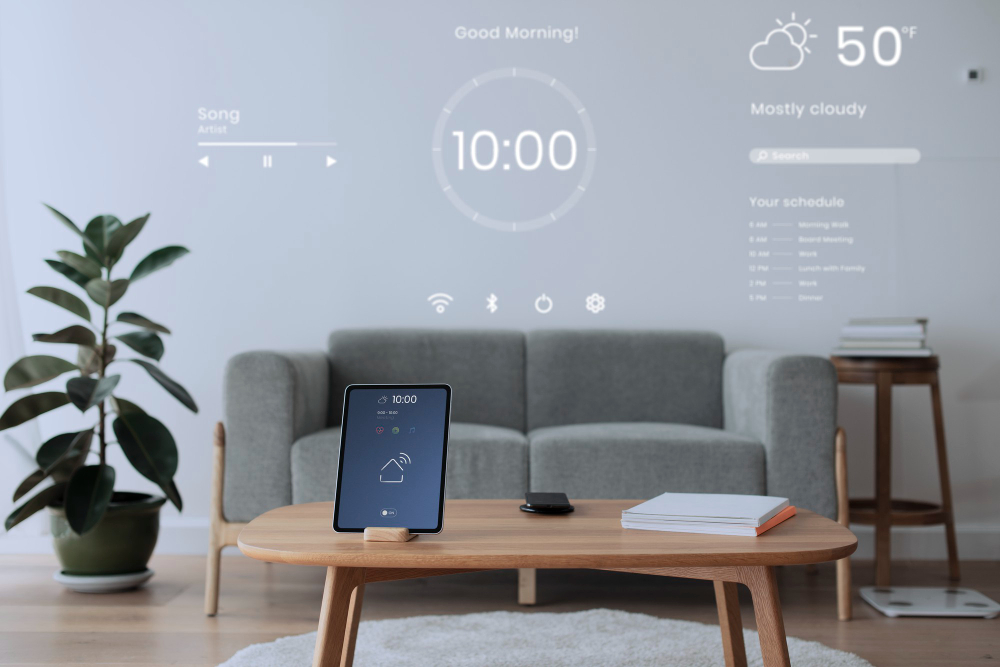
For those often traveling or busy with work, safeguarding your home remotely is now a top concern.
What Exactly Is Smart Home Insurance?
Smart home insurance represents an advancement over traditional homeowner policies. It incorporates internet-enabled devices like AI-driven cameras, digital locks, smart thermostats, and other home automation tools.
This allows insurers to provide tailored plans, often including discounts for homes equipped with enhanced security features.
The New American Traveler Profile
The profile of today’s traveler is evolving. Many now keep permanent residences while working remotely and traveling often.
If you travel frequently, putting smart technology in your home is a wise choice.
Equally crucial to owning a smart home is having intelligent insurance coverage—this is where tailored insurance policies come into play.
How Does It Work in Practice?
Picture yourself flying from San Francisco to Paris when your home security system detects movement inside the garage.
You immediately receive an alert on your phone. Moments later, you view the live camera feed, recognize the gardener, and dismiss the alarm.
Now imagine it was a break-in. The system would automatically save the video, alert the police, and forward live data to your insurer.
Typical Coverage Options for Smart Home Policies
Leading insurers in the U.S. now provide plans featuring smart home protections, covering risks such as:
- Burglary and property damage
- Fire incidents with remote alerts
- Leaks detected through smart sensors
- Electrical issues or shorts in connected gadgets
How Much Does It Cost?
The encouraging part: homes with smart technology often qualify for premium reductions.
Many insurers now provide discounts of 10% to 20% on annual premiums for homes equipped with monitored smart security systems.
Moreover, companies like Allstate, State Farm, Lemonade, and Hippo are forming partnerships with smart device brands such as Ring, Nest, Vivint, and SimpliSafe.
For instance, homes that maintain active sensors, operate cameras, and remotely control heating systems tend to face fewer significant damages—resulting in lower insurance costs.
Data That Helps (or Hurts)
A major transformation in smart home insurance is the integration of behavioral data.
Instead of depending on fixed details like ZIP code, property value, or past claims, modern plans assess:
- Whether security systems remain active consistently
- If devices receive proper upkeep
- How the household reacts during emergencies (fire, water, break-ins)
With this live data, insurers can incentivize cautious actions — but they might also charge more to homeowners who often turn off systems or neglect upkeep.
Smart Homes for People Always on the Go
When you spend more nights in hotels than at home, smart home insurance offers both peace of mind and financial protection.
No matter if you’re miles away across the country or even overseas, your home stays alert, instantly reporting any problems.
The blend of technology with insurance creates an effective cycle of protection, where sensors identify, alert, and help stop risks.
This enables your insurer to respond promptly and efficiently — offering peace of mind while you’re away.
The Future of Home Protection
Smart home insurance is expected to become the norm in the near future, rather than the exception.
As the Internet of Things (IoT) continues to grow, connected gadgets will communicate not only among themselves but also directly with insurers — creating a self-governing, adaptive protection system.
With ongoing advances in AI technology, we can anticipate systems that forecast risks ahead of time — helping to avoid issues before they arise.
Essential Checklist for Connected Travelers
Before your trip, consider these smart measures to secure your home:
- Install motion sensors and smart cameras with remote access
- Use digital locks that log entries and exits
- Connect smoke and water alarms to your Wi-Fi network
- Enable 24/7 monitoring and share access with a trusted contact
- Inform your insurance provider about installed devices — you might qualify for a discount!