Enhance Your Financial Future: Easy Strategies to Improve Your Credit Score
Explore practical tips to improve your credit score with actionable guidance. Unlock better loan options, lower interest rates, and greater financial freedom starting today!
Understanding Credit Scores
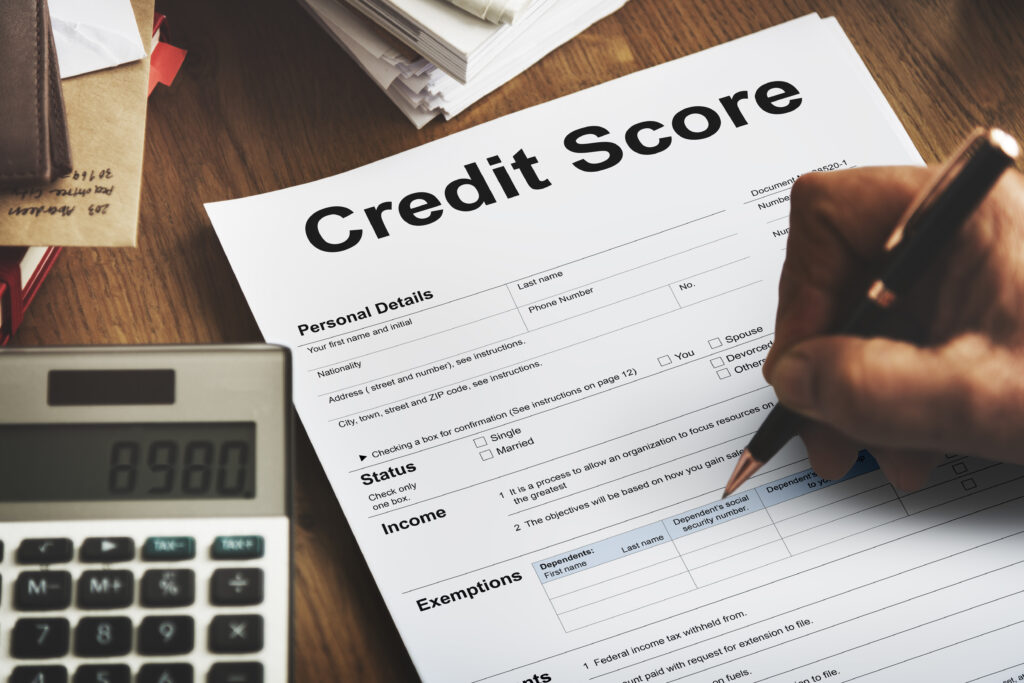
Your credit score is an important financial indicator that affects many aspects of your life. It reflects your consumer profile and helps lenders and businesses determine how trustworthy you are as a borrower.
If you’re unfamiliar with credit scores or why they matter, this article offers a great opportunity to understand their importance better!
Why Your Credit Score Matters
Your credit history plays a key role. When you apply for loans or credit, lenders review your score to decide your creditworthiness. This score affects the credit limits you qualify for, the loan terms offered, and the interest rates you’ll pay.
By developing strong financial habits and maintaining an excellent credit score, you’ll be seen as a more reliable borrower, opening doors to advantages you might not have accessed otherwise.
What Exactly Is a Credit Score?
A credit score is a number derived from your financial behaviors. When you show responsibility, pay bills on time, and stick to your agreements, your score reflects that positive record.
On the other hand, if your financial habits suggest negligence or inconsistency, your credit score will suffer. Credit bureaus track all your financial activities to calculate your score accordingly.
Your credit score falls into these general categories:
- Poor: Usually caused by missed payments and high credit card debt.
- Fair: Can result from occasional late payments or minor credit issues.
- Good: Reflects mostly on-time payments, though not perfect.
- Excellent: Demonstrates punctual payments and responsible credit use.
Breaking Down the Key Elements of Your Credit Score
Your credit score depends on several critical factors. Understanding these can help you take control of your financial well-being:
- Payment History: This is the most important factor. Lenders want assurance you pay bills on time. Missing payments can lower your score, so consistency matters.
- Credit Utilization: Reflects the amount of credit you’re currently using. Staying under 30% of your available credit reflects responsible use.
- Length of Credit History: Older accounts show your ability to handle credit over time, strengthening your score.
- New Credit Inquiries: Each application causes a “hard inquiry” on your report. Too many in a short time can signal risk, so space your requests.
- Credit Mix: Having a variety of credit types (cards, loans, mortgages) can improve your score by showing you manage different debts well.
Why Improving Your Credit Score Matters
Your credit score is more than a number; it opens up a range of financial opportunities:
- Better Loan Terms: A strong credit score marks you as a low-risk borrower, often resulting in lower interest rates and big savings over time.
- Increased Approval Chances: A good score improves your likelihood of being approved for credit cards, loans, or even rental agreements.
- Long-Term Savings: Lower interest means you pay less over the life of your loans, adding up to substantial savings!
Effective Approaches to Improve Your Credit Score
Prompt Payment of Bills
Your payment history plays a vital role. Late or missed payments can heavily damage your credit. To keep payments on time:
Set reminders on your phone or calendar for payment deadlines. Enable autopay to make sure at least the minimum amount is paid monthly, preventing any missed payments.
Keep Your Credit Utilization in Check
Having high credit card balances can negatively affect your score, even with timely payments. Lenders like to see low credit usage. Here’s how to control it:
Aim to keep your credit usage below 30% of your total limit. For example, with a $10,000 limit, try to keep your balance under $3,000. Pay off your balance fully when possible, or make smaller payments during the month to reduce utilization.
Further Tips
Consistently monitoring your credit score is essential. Errors may occur, and it’s important to correct them promptly. Many online resources are available to help you with this process.
As mentioned earlier, keeping a strong credit score can earn you improved financial conditions, helping you save money and better manage your finances.