2025’s Standout Trends in Personal Finance
Financial trends that defined 2025, from flexible budgets to digital payments transforming the way Americans handle their finances.
Key Financial Moves That Defined 2025
In 2025, significant shifts took hold in how consumers across the U.S. manage their finances.
For travelers crossing the country, these shifts were particularly noticeable, as many vital services began relying on savvy financial choices.
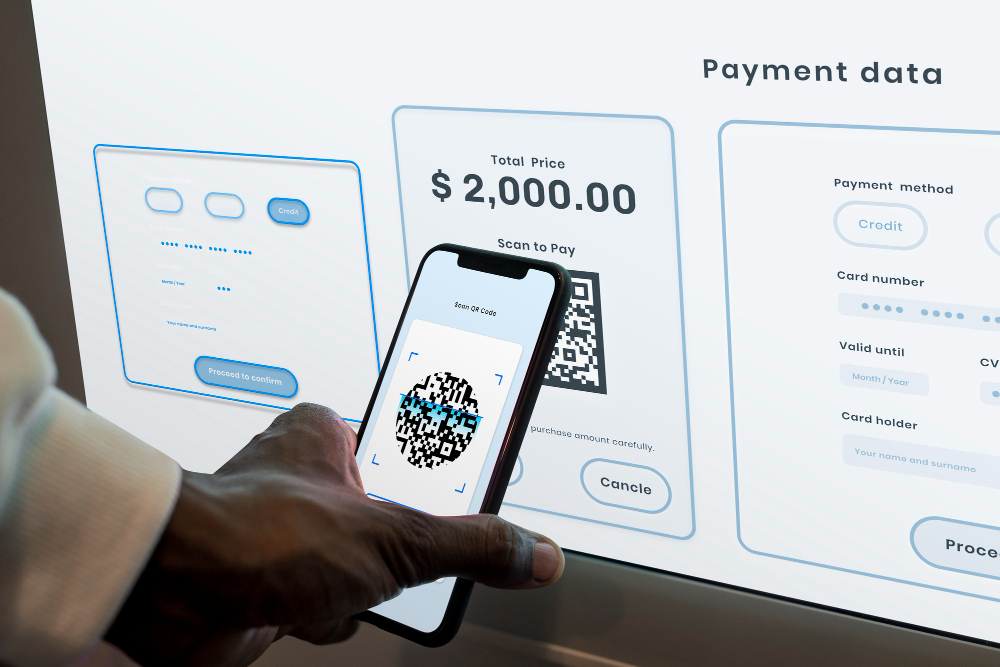
Here are the key financial trends that shaped personal finance in 2025, setting a fresh benchmark for American consumers.
1. The Rise and Solidification of “Adaptive Budgets”
As prices fluctuated across food, lodging, transportation, and entertainment, 2025 saw Americans fully adopt adaptive budgeting strategies.
These budgeting systems adjust automatically, using spending habits and weekly cost forecasts as their basis.
Tools like Copilot, Rocket Money, and Monarch Money use algorithms that track routines, categorize expenses instantly, and recommend flexible spending limits.
2. Digital Wallets Become the Primary Payment Method
Digital wallets like Apple Pay, Google Wallet, and PayPal saw their usage soar to new heights in 2025.
This preference grew stronger thanks to enhanced security, ease of use, and integration with credit cards that offer increased cashback and rewards in targeted categories.
Contactless payments became the norm at restaurants, grocery stores, transit systems, and hotels.
Airports embraced digitization fully—from biometric boarding to swift purchases at duty-free shops.
3. More Aggressive Cashback Programs
With issuer rivalry heating up, 2025 saw a surge in more lucrative cashback offerings.
Bonus cashback rates of 4% to 10% were common in categories like travel, dining, and online shopping during select promotional windows.
Cards such as Chase Freedom, Capital One SavorOne, and Discover It gained attention for their rotating bonus categories and appealing welcome offers.
4. The Rise of On-Demand Insurance
Thanks to platforms like Lemonade, Boost, and Blink by Chubb growing rapidly, 2025 marked the shift when instant insurance moved from niche to mainstream use.
These policies let consumers buy coverage strictly for the needed timeframe—whether just 24 hours, a week, or the length of a particular trip.
Typical coverage options included:
- baggage protection,
- electronics insurance,
- coverage for high-risk activities,
- rental car insurance,
- protection against unexpected cancellations.
5. BNPL Expands Into Essential Service Sectors
This trend involved BNPL becoming available in areas once seen as unlikely, including domestic flights, hotel bookings, and even fuel purchases at certain retailers.
Companies like Affirm, Afterpay, and Klarna began providing low- or no-interest installment options for bigger purchases, particularly during busy times such as holiday seasons and school vacations.
6. Credit Card APRs Climb — How Consumers Reacted
Revolving credit APR climbed above 21% multiple times during 2025. As a result, consumers embraced more strategic approaches to managing debt, such as:
- making payments early before the statement closing date,
- transferring balances to cards offering 0% promotional APR,
- using personal loans with fixed APR to consolidate debts,
- monitoring Credit Utilization Rate on a weekly basis.
7. Expansion of High-Yield Savings Accounts
High-yield savings accounts kept growing in 2025, frequently providing interest rates exceeding 4%.
Leading digital banks like SoFi, Ally, Discover Bank, and Synchrony attracted savers looking for quick returns and easy access to funds.
The usage of these accounts expanded beyond just emergency savings.
A growing number of consumers used them as short-term solutions to better manage cash flow during trips.
8. Fully Personalized Card Rewards
Rather than fixed categories, issuers began analyzing spending habits to automatically enhance rewards in areas most meaningful to each user.
Typical examples were:
- automatic cashback boosts at restaurants following weeks of increased dining expenses,
- limited-time hotel rewards during peak travel seasons,
- extra multipliers for popular retail stores,
- enhanced rewards for frequently used travel apps like Uber, Lyft, and DoorDash.
Personalized rewards cut down on wasted benefits and boosted the actual value of loyalty programs.
9. Expansion of Financial-Wellness Services
Financial wellness took on fresh significance in 2025. Financial apps, digital banks, and credit card companies began rolling out features that combined money management with mental and emotional health, including:
- tracking of impulsive spending habits,
- goal-setting with gamified savings,
- access to financial coaching sessions,
- warnings to prevent overspending.
10. Complete Automation of Bill Payments
By 2025, automatically paying essential bills became the norm. This automation helped cut down late fees, safeguarded credit scores, and simplified money management.
The majority of U.S. banks rolled out autopay features with predictive notifications—alerting users ahead of increased usage, rate changes, or unexpected fees.