Traveling with Credit Cards: Key Safety Tips You Need to Know
Protect your money when you're on the go! Learn how to keep your credit card secure while traveling with expert tips on avoiding fraud, making safe transactions, and handling emergencies if they arise.
Protecting Your Credit Card During Travel
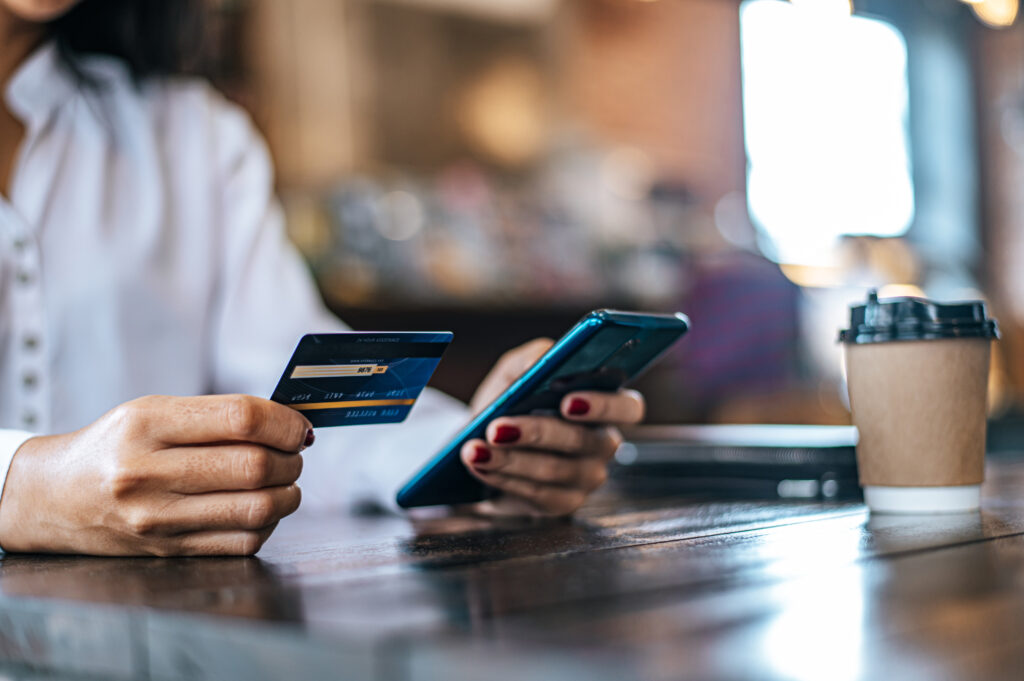
By 2025, credit cards have become essential in the daily lives of most people. It’s rare nowadays to find someone without a credit card or who hasn’t used one at some point.
Unfortunately, many credit card holders have fallen victim to scams that caused financial harm or losses.
If you haven’t personally experienced it, you probably know someone who has suffered credit card fraud, especially when traveling. This shows how real the risks are.
Fraudsters continue to improve their tactics, creating sophisticated traps that can catch even the most alert individuals. To protect yourself while traveling or preparing for a trip, it’s crucial to equip yourself with effective prevention strategies!
Keep reading to learn everything you need to know about this important topic.
Preparing Your Credit Card Before Traveling
Before your trip, it’s essential to take some precautions. Start by informing your bank or card provider about your destination and travel schedule.
This helps avoid unexpected card suspensions and enables your bank to spot unusual activity more efficiently. Also, set up transaction alerts so you can monitor your spending in real time and react promptly to any suspicious charges.
Choosing the right credit card matters as well. Opt for one equipped with a chip and contactless payment features to boost your security during transactions.
Also, check if your card includes fraud protection, travel insurance, and emergency assistance abroad. It’s smart to carry a backup card in case your primary one is lost or blocked.
Effective Tips to Keep Your Credit Card Secure While Traveling
While traveling, be particularly careful when withdrawing cash or using your card. Always opt for ATMs inside banks or protected locations, avoiding secluded machines.
When paying, keep your card visible at all times to avoid it being taken out of sight, especially in dining settings.
Protecting your personal data is essential. Never share or jot down your PIN where others can find it, and consider activating two-factor authentication on your banking apps.
Using an RFID-blocking wallet is a wise way to protect yourself from contactless card skimming. This prevents unauthorized scanning attempts on your card. Taking these precautions can reduce your risks and help you travel more securely.
Risks Involved with Online Payments and Using Public Wi-Fi
Another important concern is being cautious with online payments and public Wi-Fi usage. It’s best to rely on your own mobile data whenever possible. People connecting via public Wi-Fi often become targets for fraudsters exploiting weak network security to steal data.
Therefore, avoiding public Wi-Fi is advisable to protect yourself from easy exploitation. Additionally, always verify recipient information before completing online purchases. When shopping online, check the website URL to avoid fake or cloned websites.
What to Do If Your Credit Card Goes Missing
If your credit card is lost or stolen, the most important thing is to remain calm; the situation can be resolved. Although it sounds straightforward, staying composed is crucial, as panic often causes people to make the problem worse.
Besides staying calm, promptly log in to your banking app or online account to freeze your card. Also, contact your bank immediately to report the loss and get help accessing emergency funds if necessary.
Wrapping It Up
Following these tips is essential to avoid scams and financial troubles while traveling. Stay alert to unusual activity and be able to identify phishing attempts targeting travelers. Using these precautions helps lower risks and ensures a safer trip overall!