Ways to Safeguard Your Credit Card: Tips from Experts
Credit cards can be great tools, don’t you agree? However, they do come with certain risks, especially when it comes to scams, so it’s important to know how to protect yourself.
Credit cards offer a convenient way to pay and come with strong security features. To protect your money and prevent issues, it’s important to follow preventive measures and stick to recommended security guidelines.
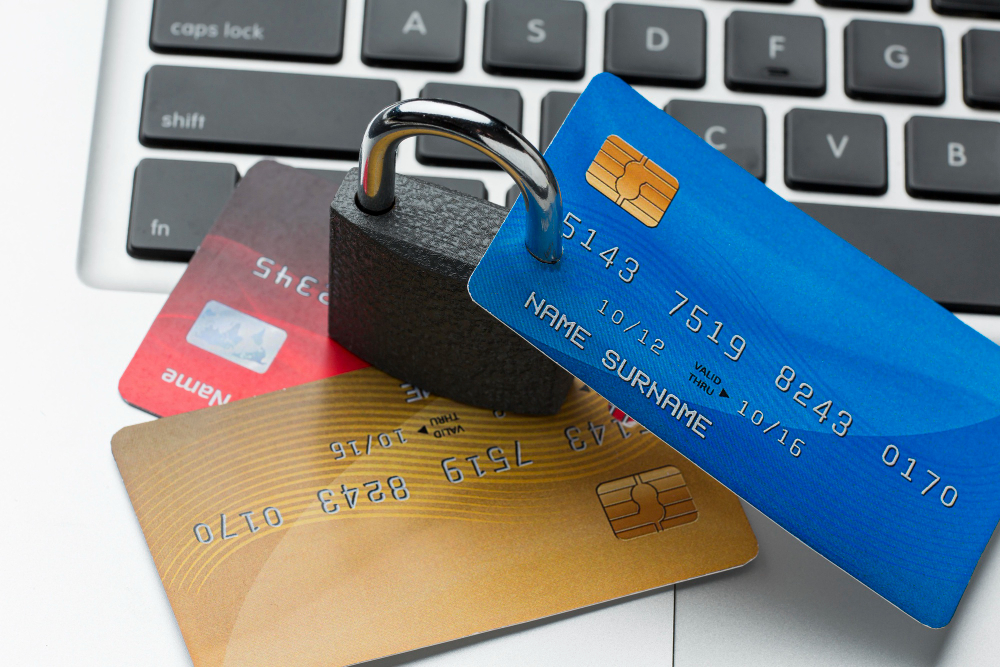
In this article, we’ve gathered useful tips to help you shield your credit card from fraud and unauthorized usage.
Use Virtual Cards When Shopping Online
Online shopping attracts many scammers. To boost your protection, try using virtual cards, which are temporary replacements for your physical card.
Many top card issuers offer this feature, letting you generate a unique number for each purchase. This prevents reuse if your details are exposed.
Turn On Transaction Alerts
Many banks and credit card issuers let you activate real-time notifications for every purchase made with your card.
You can choose to get alerts via SMS, email, or directly through your banking app each time a transaction occurs. This helps you quickly detect any unusual activity and take action before it becomes a bigger problem.
Regularly Review Your Credit Card Statements
Even with notifications activated, it’s crucial to frequently review your statements. Fraudsters often slip in small unauthorized charges, hoping they won’t be noticed.
Monitoring your transactions regularly allows you to spot any unusual charges quickly and prevent financial loss.
Be Careful When Using Public Wi-Fi
Avoid making online purchases or accessing your bank account over public Wi-Fi networks, such as those in coffee shops, airports, or hotels.
These networks are common targets for hackers who may try to capture your private financial data.
If you must access sensitive details on a public network, use a VPN (Virtual Private Network) to protect your connection. Otherwise, prefer your mobile data or a trusted Wi-Fi network.
Turn On Two-Factor Authentication (2FA)
Whenever possible, enable two-factor authentication (2FA) to protect your banking and credit card accounts.
This security measure adds an extra layer by asking for a second verification step, such as a code sent by SMS or generated by an authenticator app.
Opt for Digital Wallets When Making Payments
Services like Apple Pay, Google Pay, and Samsung Pay enhance security by replacing your actual card numbers with encrypted tokens.
This means that even if a merchant experiences a data breach, your real card details stay protected.
In addition, these digital wallets use biometric security like fingerprint or face recognition, which greatly reduces the risk of unauthorized use.
Watch Out for Phishing Scams
Phishing remains a common tactic scammers use to steal credit card information.
These attacks usually come as fake emails or messages pretending to be from banks or trusted companies, encouraging you to click suspicious links and reveal personal info.
To protect yourself, verify the sender’s authenticity and avoid clicking on unfamiliar links. If uncertain, contact your bank or card issuer directly.
Secure Your Physical Credit Card
While digital protection matters, keeping your physical credit card safe is just as vital. Don’t leave it unattended in public and avoid carrying more cards than necessary.
If your card is lost or suspected stolen, immediately lock it through your bank’s app or get in touch with your card provider.
Avoid Suspicious Card Readers
Fraudsters often attach devices called “skimmers” to ATMs and payment terminals to steal card information. Always check the card reader carefully for any signs of tampering before inserting your card.
Whenever possible, opt for contactless payments to reduce your exposure. In busy places or markets, using cash can sometimes be a safer and more convenient option.
Set Spending Limits and Use Temporary Card Locks
Many card issuers allow you to impose daily spending caps or temporarily block your card directly through their mobile app.
This feature is especially useful if you rarely use your card or want an extra safeguard against unauthorized transactions.
Beware of Offers That Seem Too Good to Be Real
Before making a purchase, always verify a website’s trustworthiness by checking for security markers and confirming the URL is authentic.
Avoid submitting payment details on unfamiliar websites or those without HTTPS protection.
Following these professional tips can significantly reduce your risk of fraud and help you use your credit card more safely.